Spell casting is a spiritual and symbolic practice that has been around for the longest time in human history. it was practiced before the current concept of self-development was even thought of. Spell casting is still practiced today, but it is often misunderstood or misrepresented.
This comprehensive tutorial defines the real meaning of spell casting, the process of spell casting, examples of spell casting, and the moral principles that govern spell casting.
What Is Spell Casting?
Definition of Spell Casting
Spell casting is the deliberate act of concentrating thoughts, feelings, and symbolic behaviors on a desired result. Essentially, the casting spell meaning is the act of focusing one’s intention through ritual, language, visualization, or symbolic behaviour.
To cast spells does not mean that you are forcing reality to obey you. Rather, it means that you are aligning your internal state, mind, belief, and behaviour towards a certain purpose.
In contemporary knowledge, spell-casting is inextricably linked to:
- Intention setting
- Ritual Psychology
- Practices of manifestation
- Mindful symbolic action
Historical Roots of Spell Casting
Spellcasting has been practiced for thousands of years in various cultures:
- Ancient Egyptians wrote protection spells and healing spells
- The practice of using verbal incantations was prevalent in Greek and Roman
- There was ceremonial magic practiced by indigenous cultures that was nature-based
- Medieval practices combined folklore, herbs, and prayer
Through the ages, the meaning of spell casting has always had a link with purpose and symbolism as opposed to fantasy magic.
Book Your Spell Casting Ritual
Spell Casting Meaning Explained
What Does It Mean to Cast a Spell?
The meaning of the cast spells is commonly misinterpreted. To cast a spell means:
- To define a clear intention
- To focus energy and attention
- To emphasize that intention through symbolic behavior
Whether it is done vocally or in silence, the practice of spell-casting is all about awareness and has nothing to do with domination.
Essential Components of Spell Casting
The common elements of most spell-casting practices are:
- Intention: The goal or desire behind the spell
- Focus: Mental clarity and emotional alignment
- Symbolism: These are objects, words, or actions that have meaning.
- Timing: Selecting moments to support intention
These are the reasons why casting magic can be a very personal and reflective experience.
How Spell Casting Works
Intent as the Core of Human Beings
It’s said that intention is actually the heartbeat of any spell. Intention gives any spell life, and without intention, casting a spell is essentially unfulfilling.
Having a clear intention
- reinforce your commitment
- sharpen awareness
- strengthen belief and focus
- Align your actions with your goals
That’s why good ethical practitioners emphasize intention rather than gimmicks or complexity.
Tools and Their Purpose
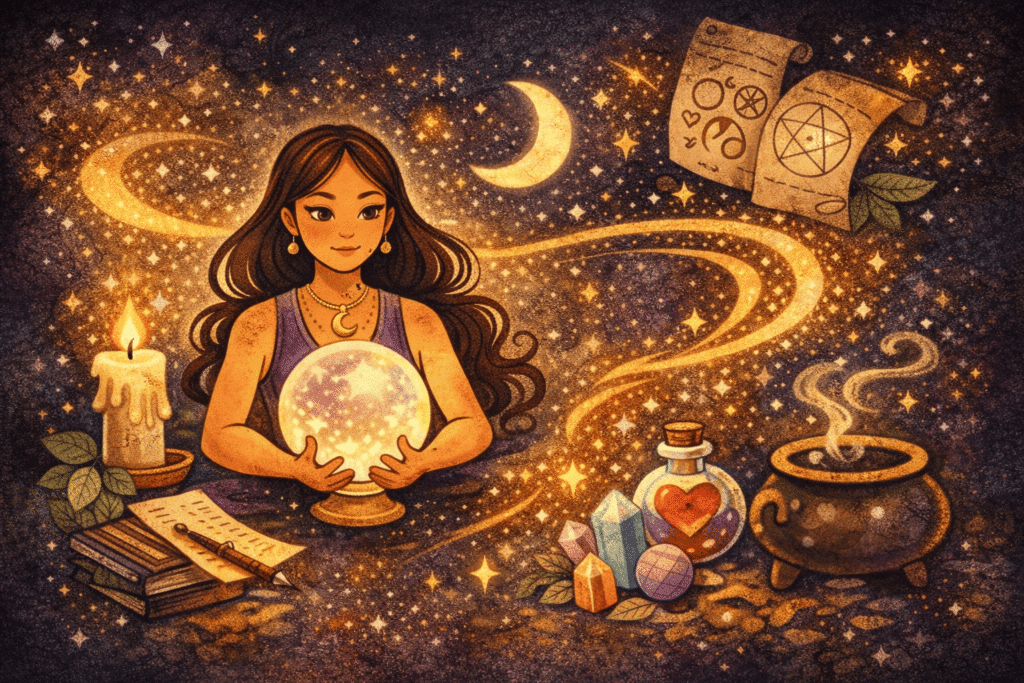
Tools are not necessary; however, they can be helpful in keeping you centered. Power tools are not necessary; simply focus aids. Some include:
- Candles representing transformation
- Herbs for grounding/connecting and for clarification/connecting
- Written affirmations
- Personal symbols or meaningful objects:
These are the things that help you “stay with it” through the whole process
A Simple Ethical Spell (Step-by-Step)
A simple way to think about a spell:
- Name a positive, self-focused intention
- Locate a calm spot
- Center Your Breath & Awareness
- Clearly state or visualize your intent
- Finish with Gratitude
This is an indication of a practical and “modern” approach to giving meaning to a casting.
Spellcasting in Daily Life
Everyday Spellcasting Practices
Many people cast spells without realizing it:
- Writing down our writing goals and affirmations
- Lighting Candles during Moments of Reflection
- Journaling intentions at life milestones
These small practical examples demonstrate the intricacy of spellwork.
Cultural and Spiritual Varieties
Various spellcasting traditions can encompass the following elements:
- Nature-based rites
- Winter ceremonies
- Protective Symbolic Acts
- Personal empowerment routines
Nevertheless, the central concept remains the same—a concept of intention, accompanied by symbolism.
Common Myths About Spell Casting
“Spellcasting Is Dangerous”
Ethical spell casting is about growth and clarity. Most damage results from misinformation or unrealistic expectations.
“Casting a Spell Means Instant Results”
A spell’s effects are gradual and affect the mind-set/behavior rather than providing immediate results.
“Only some people can cast spells”
Anyone can engage responsibly—with purpose, respect, and understanding.
Ethical Considerations in the Casting of Spells
Why ethics matter
Ethics sit at the center of responsible spellwork. They push us toward
- consent
- Self-improvement
- non-manipulation
- emotional responsibility.
Casting to steer someone else’s life crosses a line and undermines personal growth.
Safe and Responsible Spellcasting Practices
- Focus spells on yourself, not others
- Avoid fear-based or harmful intentions
- Respect cultural traditions
- Reflect on your motivations
Ethical spellcasting fosters awareness rather than dependency.
Spell Casting for Personal Growth
Modern spellcasting is often used as a tool for:
- Emotional healing
- Confidence building
- Habit reinforcement
- Mental clarity and focus
When practiced mindfully, casting magic becomes a form of intentional self-development rather than superstition.
Casting Spell vs Manifestation
While related, spellcasting often includes ritual and symbolism, whereas manifestation focuses more on belief and mindset. Both rely on intention, but spellcasting adds structured expression to that intent.
Conclusion
The true spell casting meaning is grounded in intention, symbolism, and ethical awareness. Whether you call it spellcasting, ritual focus, or intentional practice, using spells is about aligning your inner world with your goals and values.
Spellcasting is not about control or fantasy—it is about mindfulness, responsibility, and conscious action.
When practiced ethically, spellcasting becomes a powerful tool for self-reflection, clarity, and personal transformation.